Telescopes for eclipses need to handle a very specific requirement: safe solar observation with high contrast and proper filtering, since…
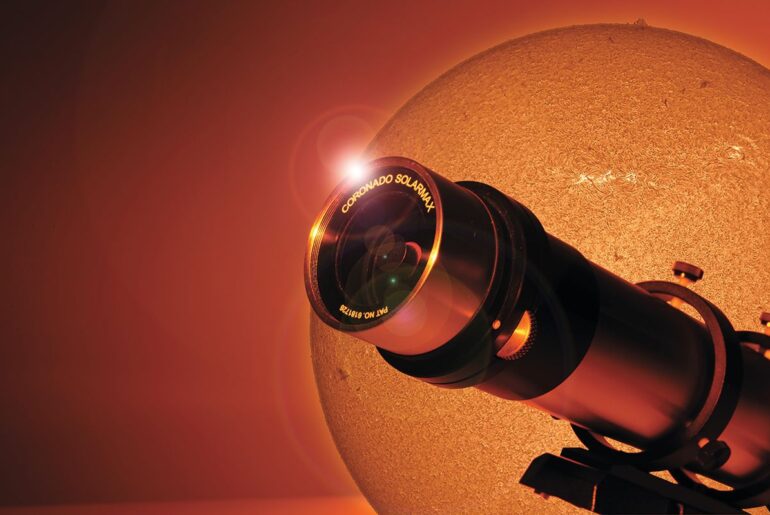
Telescopes for eclipses need to handle a very specific requirement: safe solar observation with high contrast and proper filtering, since…
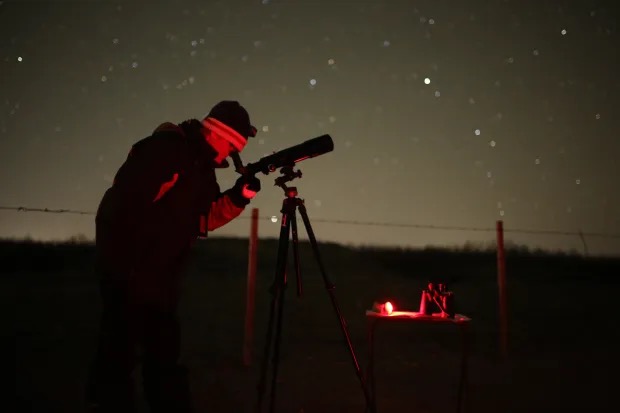
Urban stargazing is difficult because light pollution reduces contrast and makes faint celestial objects harder to see. The key is…
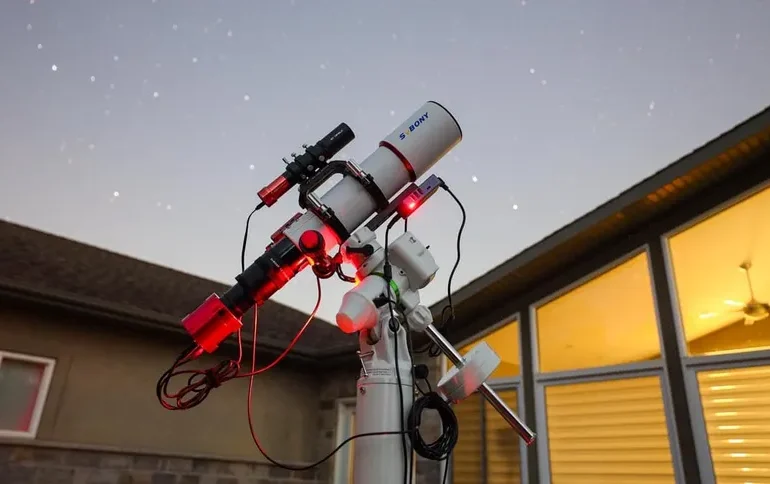
Jupiter is one of the easiest planets to observe, but seeing clear detail depends on aperture, optical quality, and stable…
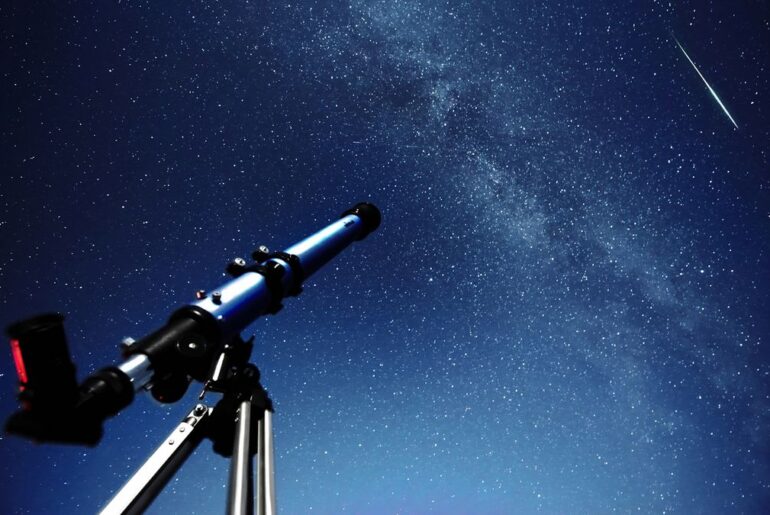
Viewing faint objects in low light—such as nebulae, galaxies, or dim star clusters—requires a telescope that can gather as much…
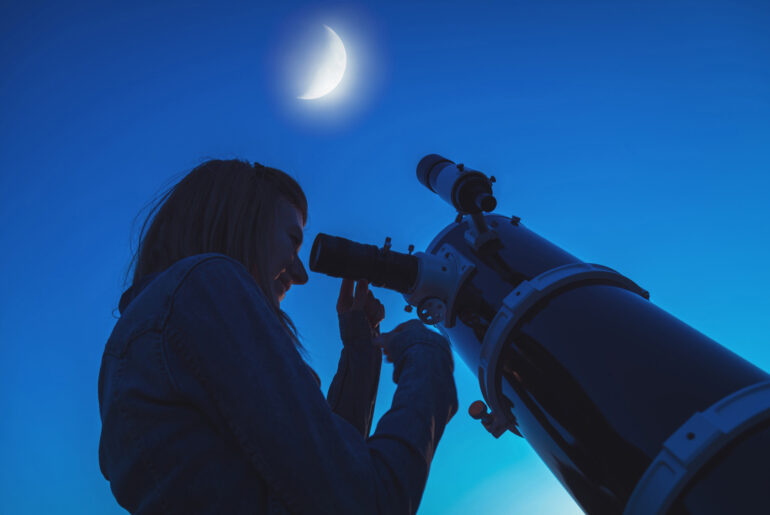
Observing Saturn is one of the most rewarding experiences in amateur astronomy, but its rings and banding are too small…
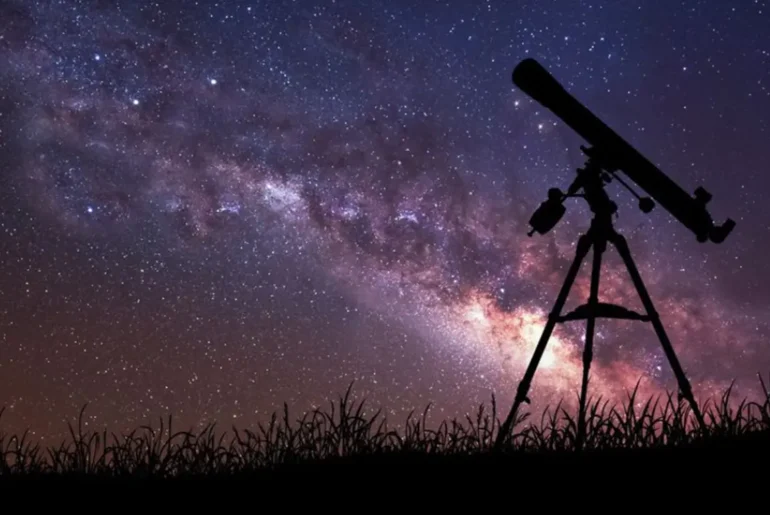
Telescopes for wide-field viewing are designed to show large portions of the night sky in a single frame, making them…
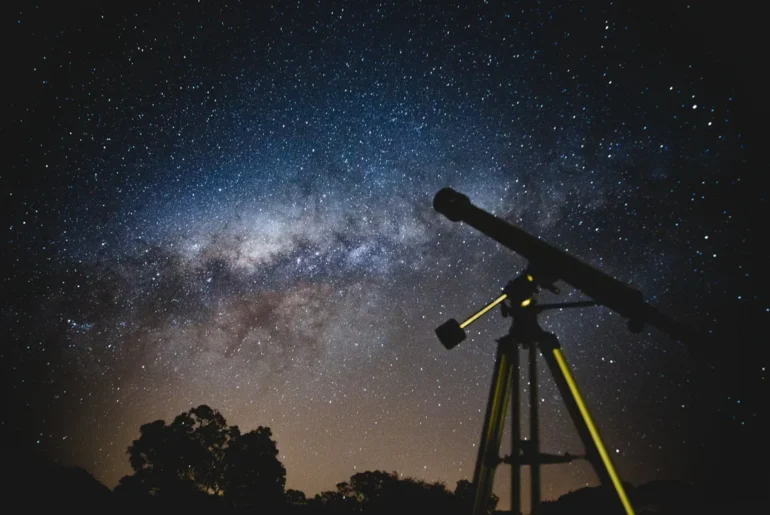
Star clusters are excellent targets for amateur astronomy because they are often bright, compact, and rich in visible structure. Good…
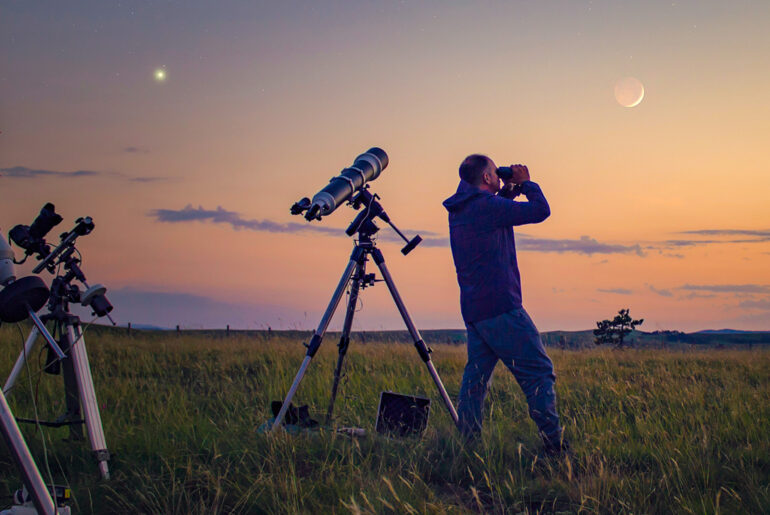
Backyard astronomy telescopes are designed to balance light-gathering ability (aperture), ease of setup, and mount stability, since most users observe…
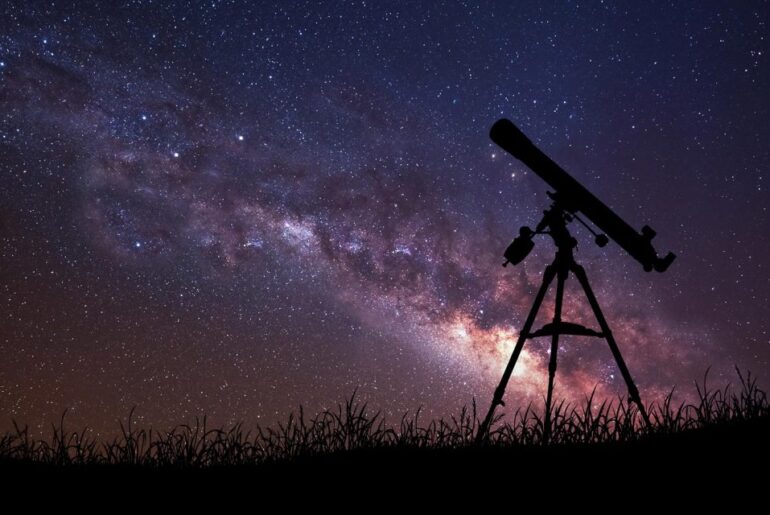
Mars is difficult to observe in detail because it remains relatively small in the sky and is highly affected by…
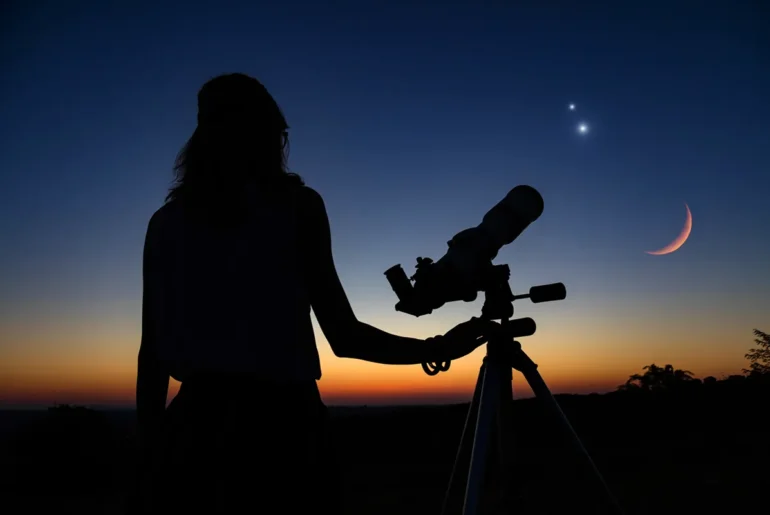
Telescopes for Moon viewing don’t need extreme magnification—instead, the best results come from strong aperture (light-gathering ability), sharp optical quality,…