
Telescopes with tracking systems use motorized mounts or GoTo technology to automatically compensate for Earth’s rotation, keeping celestial objects centered…
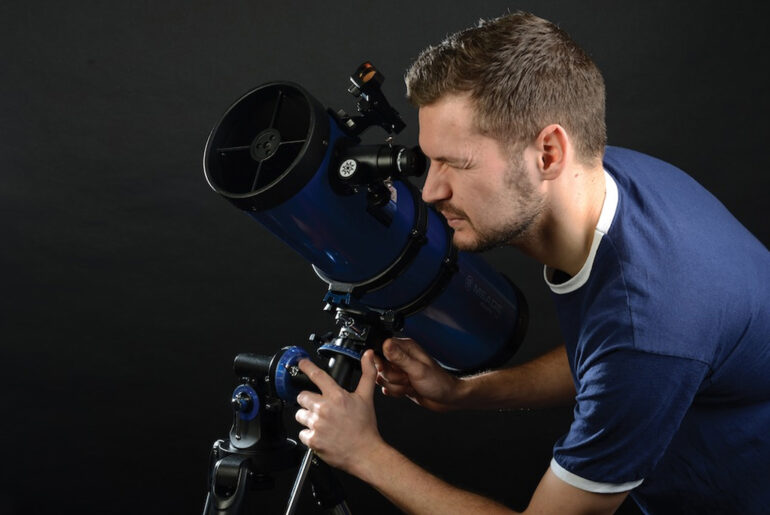
Telescopes with tracking systems use motorized mounts or GoTo technology to automatically compensate for Earth’s rotation, keeping celestial objects centered…
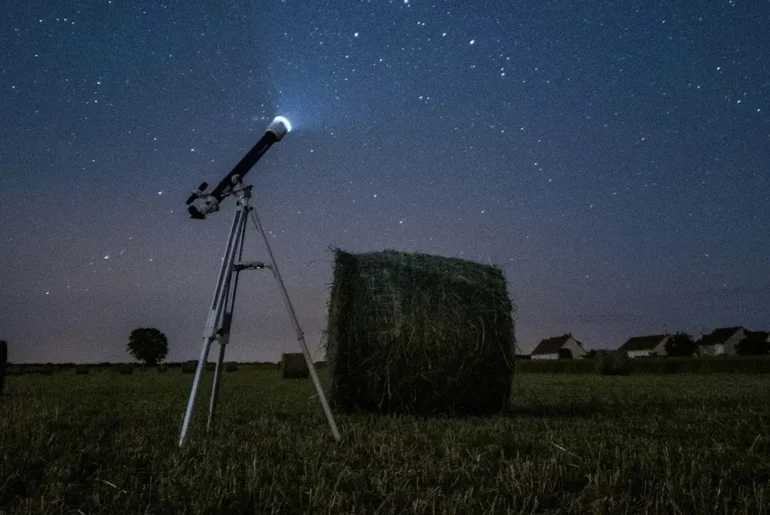
Telescopes for detailed sky observation are designed to reveal fine detail in planets, the Moon, and brighter deep-sky objects. The…
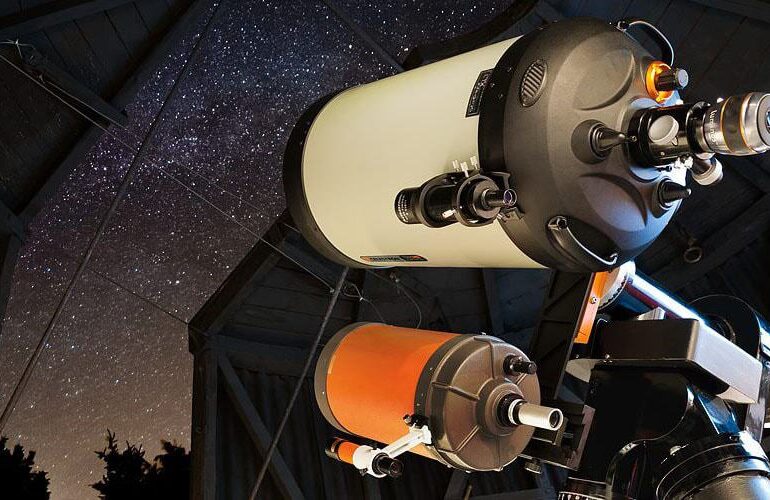
Advanced computerized telescopes combine GoTo automation, precise tracking, and strong optics, making them ideal for users who want fast target…
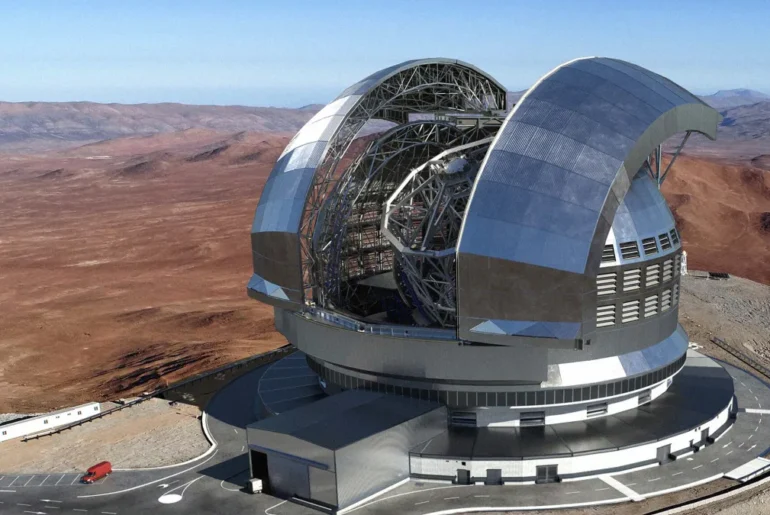
Observatory telescopes are built for serious, long-term astronomy, offering far greater stability, precision, and light-gathering power than standard backyard setups.…
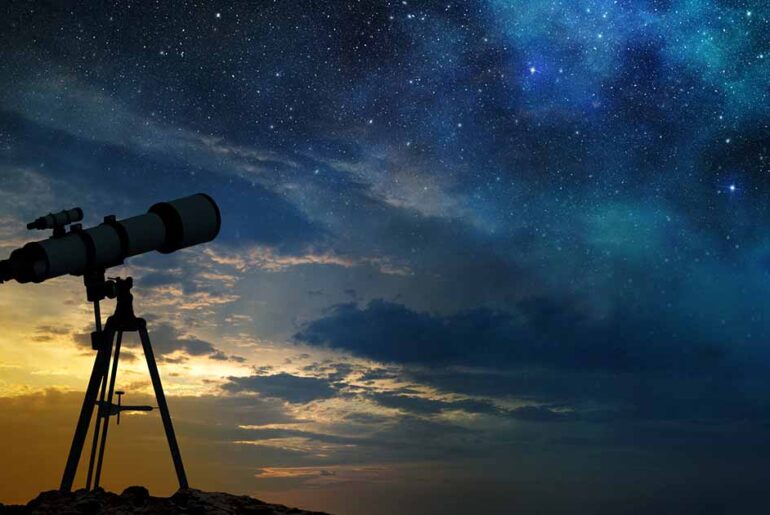
Observing planets like Jupiter, Saturn, and Mars requires more than just a basic telescope, as their small size and fine…
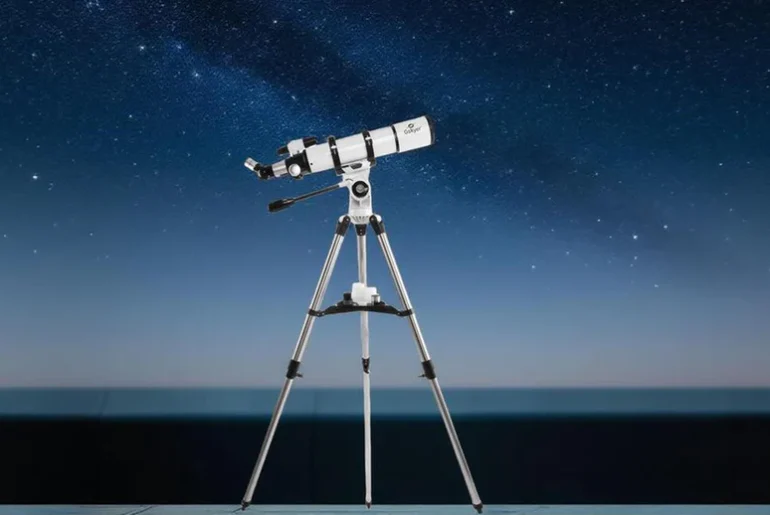
Astrophotography telescopes are built for capturing sharp, long-exposure images of objects like galaxies, nebulae, and star clusters. Unlike visual telescopes,…
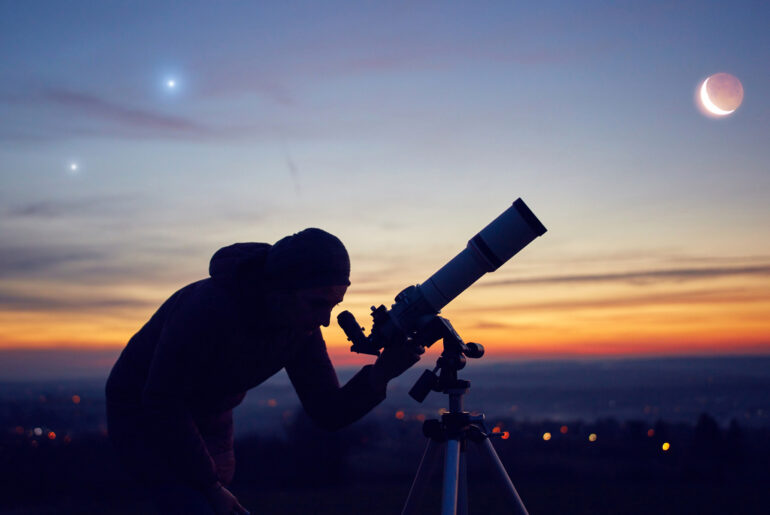
Serious stargazers focus on optical quality, aperture, tracking accuracy, and mount stability, since these determine how much detail can be…
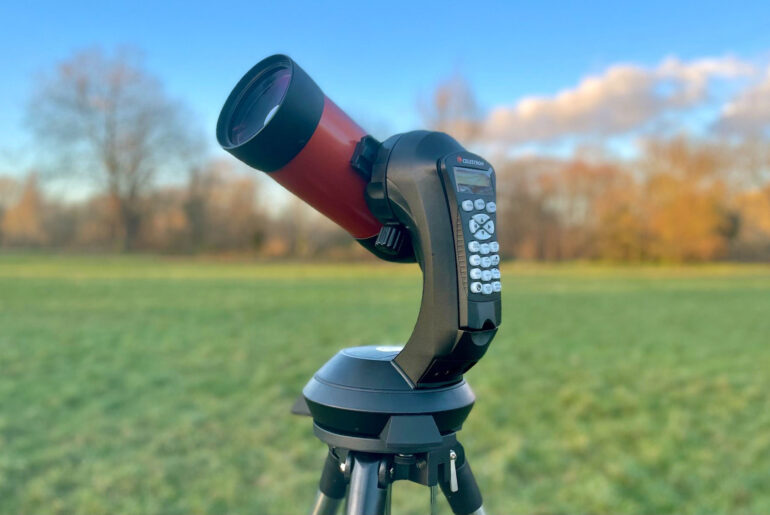
Large aperture telescopes are designed around one key advantage: maximum light-gathering power and resolution. In the 10–16 inch range and…
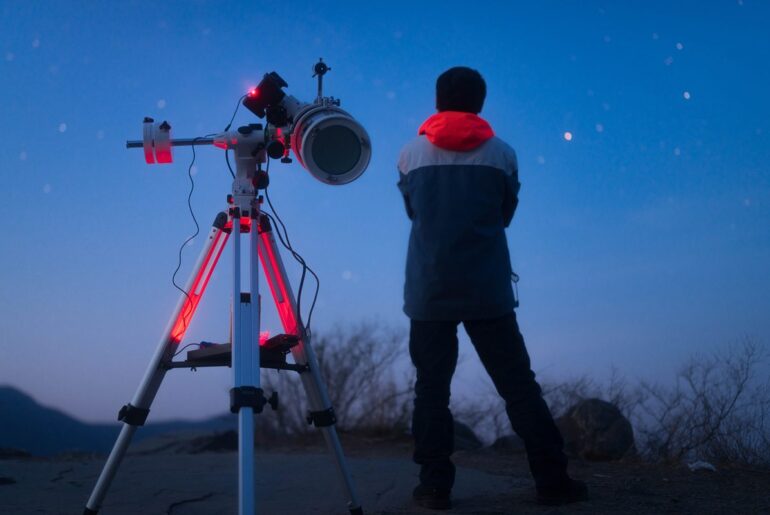
Long-exposure astrophotography depends mainly on tracking accuracy, optical quality, focal ratio, and mechanical stability rather than magnification. The telescope must…
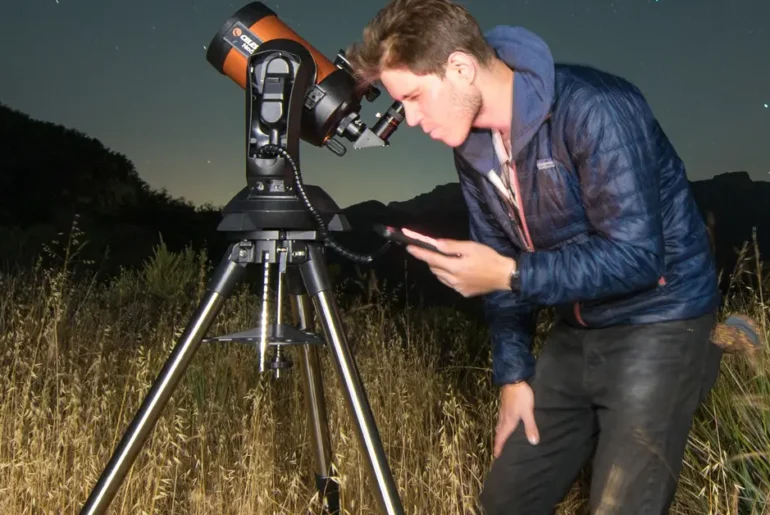
Professional astronomy telescopes are designed for high-resolution optics, precise tracking, and advanced imaging rather than casual viewing. They typically feature…